Are you struggling to identify and sort out citrus fruit that have challenging defects?
Following are the top challenges you might face, but don’t worry, we’ll also explore some solutions to ensure consistency and maximize your returns.
#1. Defects and diseases will damage your brand reputation.
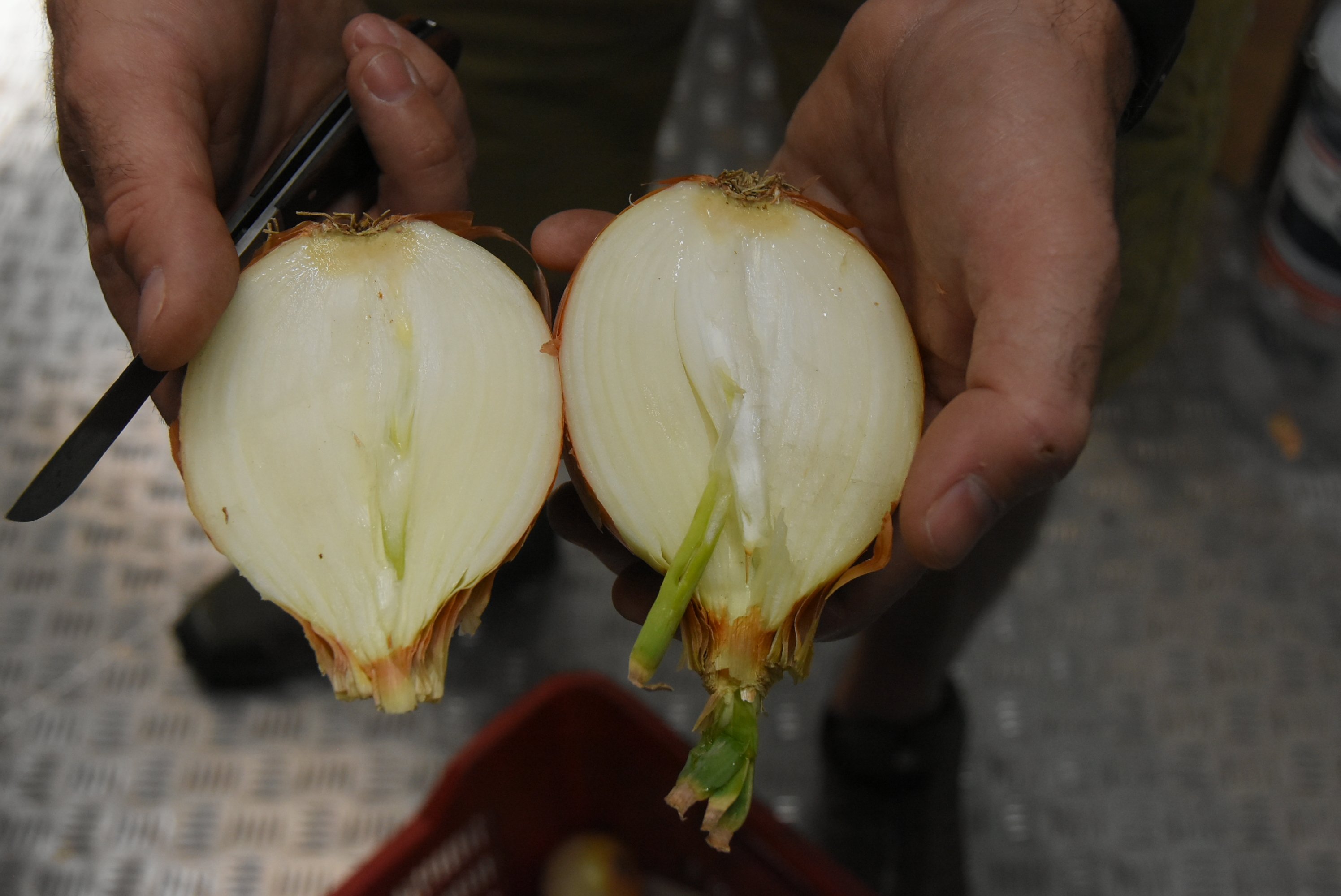
Because of variable weather and growing conditions, each season brings different, or more prevalent, defects, which makes it challenging to deliver consistent quality. Extreme weather events and ever stricter regulations on pesticide use can have a big impact on citrus quality. On top of that, disease, bacteria and fungus can cause a wide range of defects, from mold and clear rot to subtle blemishes and oleocellosis that are extremely difficult to spot by eye.
#2 Rejection hurts your business.
It only takes a small % of defective oranges, lemons or limes to dramatically increase the risk of rejection. More than ever, it’s important for growers to meet the ever-changing requirements and quality standards. On top of that, you must meet your volume and on-time commitments while preserving the consistency and quality of your packed product. That’s why it is critical that you do everything possible to ensure that each and every citrus fruit ends up in the right place.
#3. Uniformity in a world with a lot of sizes, shapes and quality differences.
Every orange, lemon or lime is different. So is every defect. Defects appear in many forms and can vary from season to season and batch to batch. This variability in size, shape and quality makes it challenging for manual graders to consistently sort citrus fruit into uniform grades, which can affect their marketability.
Sorting by hand is outdated, automation is the industry-standard.
To address the above challenges, automation of the grading and sorting process is increasingly being seen as the only way to efficiently achieve the desired quality on a consistent basis. Automation provides the added benefit of being able to maximize the value of each citrus fruit and to easily modify grading standards to address the unique needs of your customers. On top of all that, the reduction in labor costs can significantly impact your overall returns.

The answer to all your citrus challenges in one: Ellips-Elisam.
After a season of hard work, you want to be rewarded with maximum harvest value. Regardless of weather conditions or batch quality, you can always deliver consistent quality with the Elisam grading machine (powered by Ellips grading technology). By consistently meeting your client’s quality requirements each and every season, your reputation as preferred supplier is greatly enhanced. With every orange, lemon or lime graded correctly, you’ll maximize the return on each harvest while delivering exactly what your customer needs.
"This AI grading machine keeps us at the forefront as market leaders. With high capacity and consistent quality, we now have the opportunities—and the confidence—to meet diverse market demands."
Andreas Pantazis - Agrofrut Hellas
Discover customer story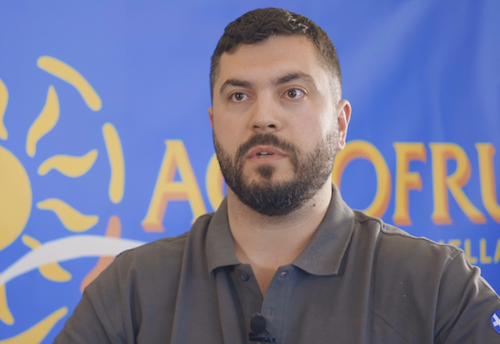

This is why leading citrus growers and packers choose Elisam:
#1. 360° precision grading.
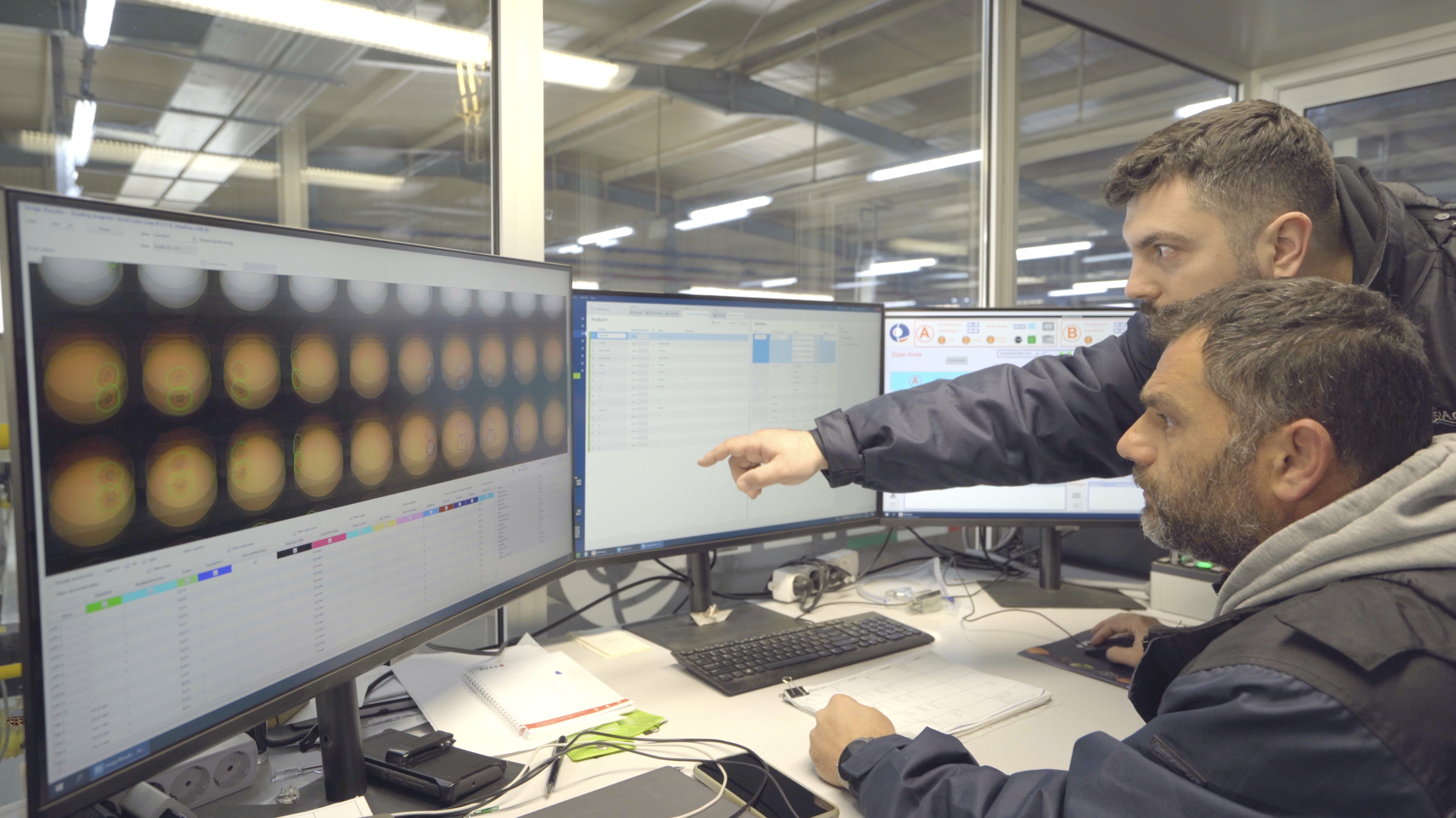
Meet a citrus grader with the best product handling and full surface inspection that handles each variation perfectly. The Elisam machine has been specially developed with a unique rotating carrier that gives you a 360° view of each orange, lemon or lime. This complete analysis, achieved with 90 high-resolution images per citrus fruit, allows you to grade your apples with the highest accuracy. The Ellips TrueSort external quality system can detect every single defect at speed such as blemish, calyx, rot, stalk, crease, corrugations, mold, oleicellosis, end checks, navel deformations and more.

#2. Full speed, whatever the batch quality.
Batches with uneven quality used to mean slowing down the line to keep grading accurate. Not anymore. With Ellips True-AI, the Elisam citrus grading machine keeps running at full speed and still catches defects accurately, even in mixed-quality batches. Capacity scales easily with the number of lanes:
| Per lane | 4-lane | 8-lane | |
| Oranges | 3–5 tons/hour | up to 20 tons/hour | up to 40 tons/hour |
| Lemons or Limes | up to 3 tons/hour | up to 12 tons/hour | up to 24 tons/hour |
Operators can switch grading specifications instantly, so last-minute orders and changing customer requirements don't hold you up. Agrofrut Hellas, one of Greece's largest citrus exporters, processes more than 40 tons of citrus per hour and meets its daily targets without hiring extra staff, even when seasonal labor is scarce.

#3. True-AI. Detecting even the most difficult defects.
Artificial intelligence (AI) offers opportunities to improve your grading process with intelligent automation. With so many ways for defects to appear across every piece of orange, lemon or lime, it’s only through Ellips True-AI that can accurately model all these combinations. True-AI, detects even the most challenging defects and citrus characteristics with an eye for the smallest details. You are now able to improve detection of difficult defects like clear rot, scarring and punctures. With grading performance moving towards 100% detection accuracy, you can fully trust the grading results and consistently deliver a superior product to your customers.
> Explore the powerful benefits of True-AI
"The True-AI technology is very accurate, it detects challenging defects like clear rot, scarring, punctures, albedo, stem defects, and many more. That helps us deliver exactly the quality our customers expect, and protect the value of every box we ship.”."
Andreas Pantazis – Agrofrut Hellas - Greece
Discover customer story
#4. Every orange, lemon and lime counted, tracked and reported.
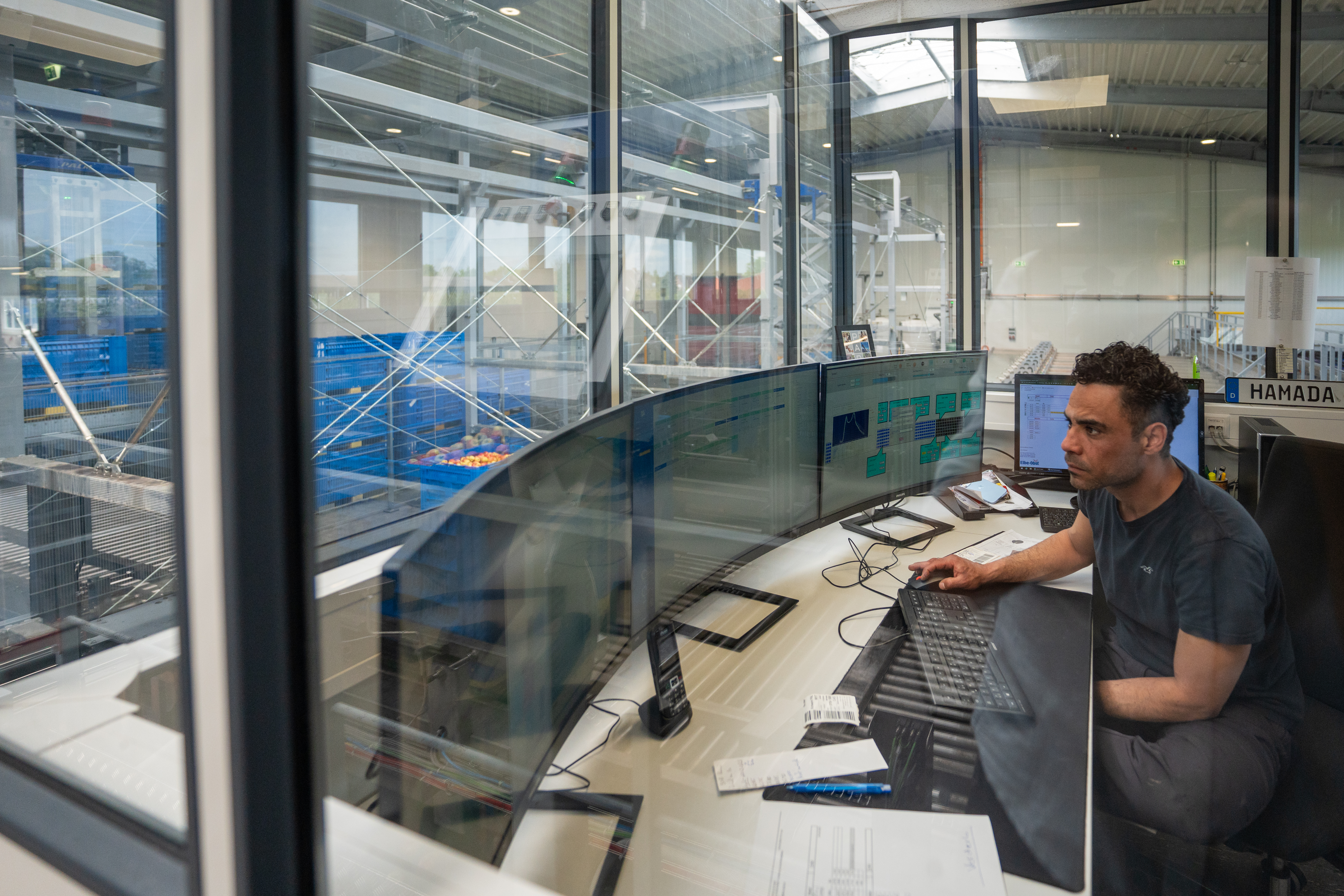
Ellips TrueSort captures detailed data on every citrus fruit you grade: size, shape, color, weight and external defects. Each orange, lemon or lime is linked to its grower, field and batch, giving you full traceability from intake to packing. Real-time dashboards show defect rates, waste levels and packing performance, so your team can spot problems early. Over time, this data helps you compare growers and fields, identify quality trends across seasons, and make better commercial decisions. 
Revolutionize your citrus business with a guarantee of consistent quality.
Consistent quality is everything. With the powerful Ellips grading technology and Elisam machinery, you can detect the most challenging citrus defects to deliver superior quality. This allows you to achieve maximum returns and the consistent quality desired by your customers. High-quality oranges, lemons or limes lead to improved customer satisfaction and loyalty, giving you a competitive advantage in the market.